Common Features:
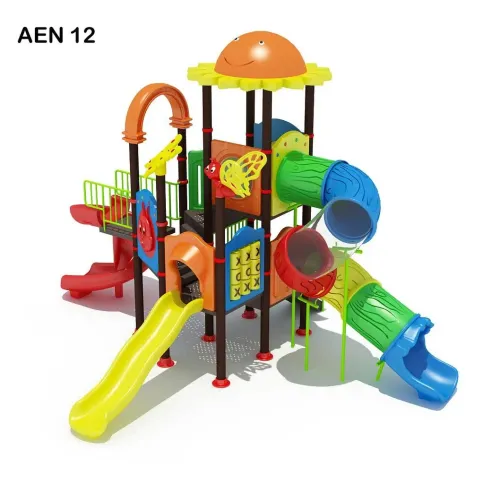
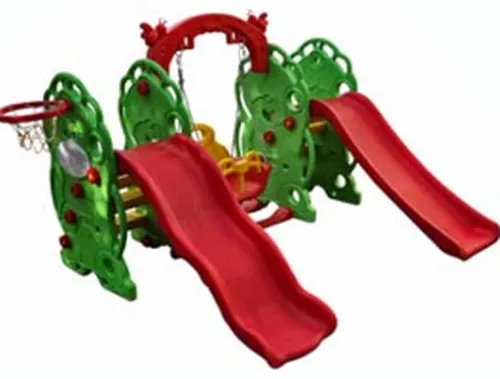
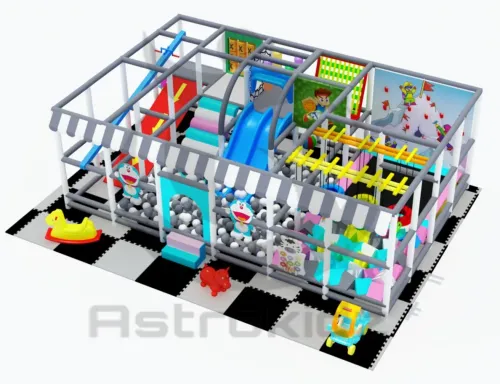
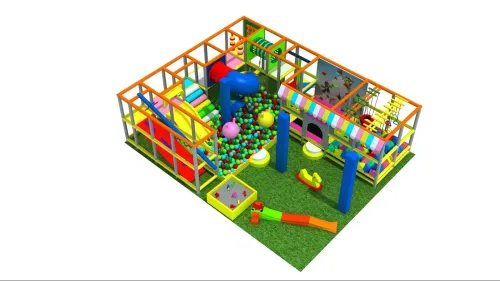
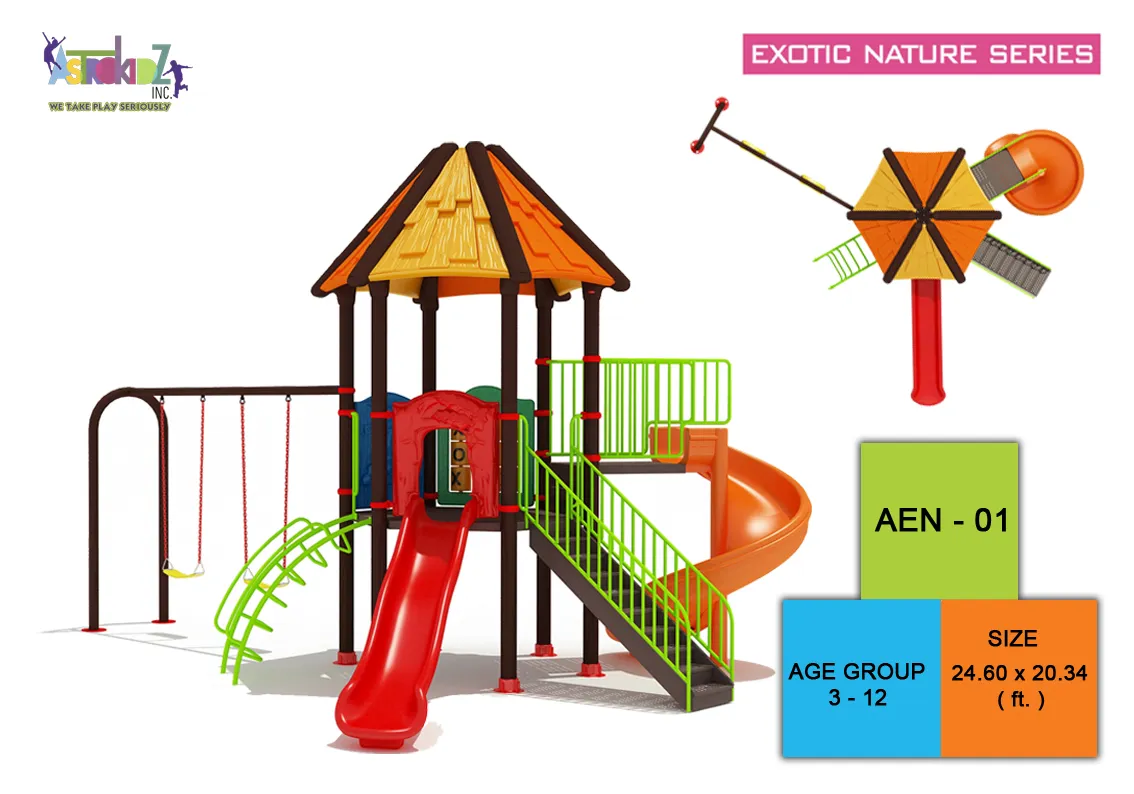
Climbing Structures: Includes climbing walls, nets, or ladders to support physical activity and challenge children's climbing skills.
Slides: Various types of slides (straight, spiral, or tunnel) that provide a fun way to descend from higher platforms.
Swings: Traditional swings, baby swings, or tire swings that allow children to swing back and forth.
Bridges and Tunnels: Connect different areas of the play station, encouraging exploration and imaginative play.
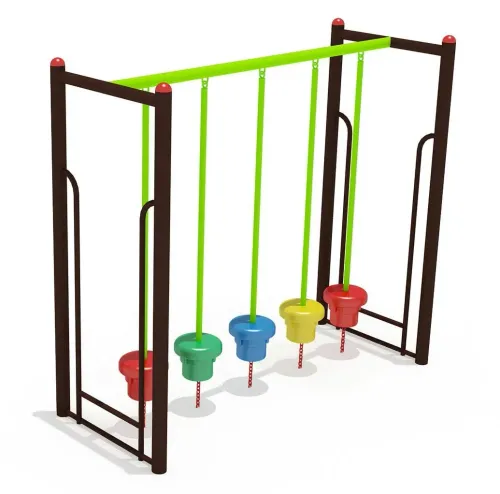
Balance Beams: For developing balance and coordination.
Sand or Water Play Areas: These can include sandboxes or water tables for sensory play.
Interactive Panels: These may include games, puzzles, or musical instruments to stimulate learning and creativity.
Monkey Bars or Gymnastic Rings: For upper body strength and coordination.
Seating Areas: Spaces for resting or socializing.
Benefits:
Physical Development: Encourages gross motor skills, strength, and coordination through climbing, running, and swinging.
Social Skills: Promotes cooperation, sharing, and communication as kids play together.
Imaginative Play: Offers a platform for creative play where children can imagine various scenarios.
Cognitive Skills: Engaging with different types of equipment helps with problem-solving and spatial awareness.
Considerations When Choosing:
Age Appropriateness: Ensure the equipment is suitable for the age group of the children who will use it.
Safety Standards: Look for compliance with safety regulations and use materials that are durable and safe.
Space Requirements: Ensure there is adequate space for installation and safe movement around the play structure.
Maintenance: Opt for materials that are easy to maintain and clean, especially if exposed to the elements.
Outdoor multi-play stations can be found in parks, playgrounds, schools, and daycare centers, providing children with a valuable space for play and exploration.
Keywords